Funnel Strategy
 Graphic & Web Design
 Paid Local Ad
 Marketing Strategy


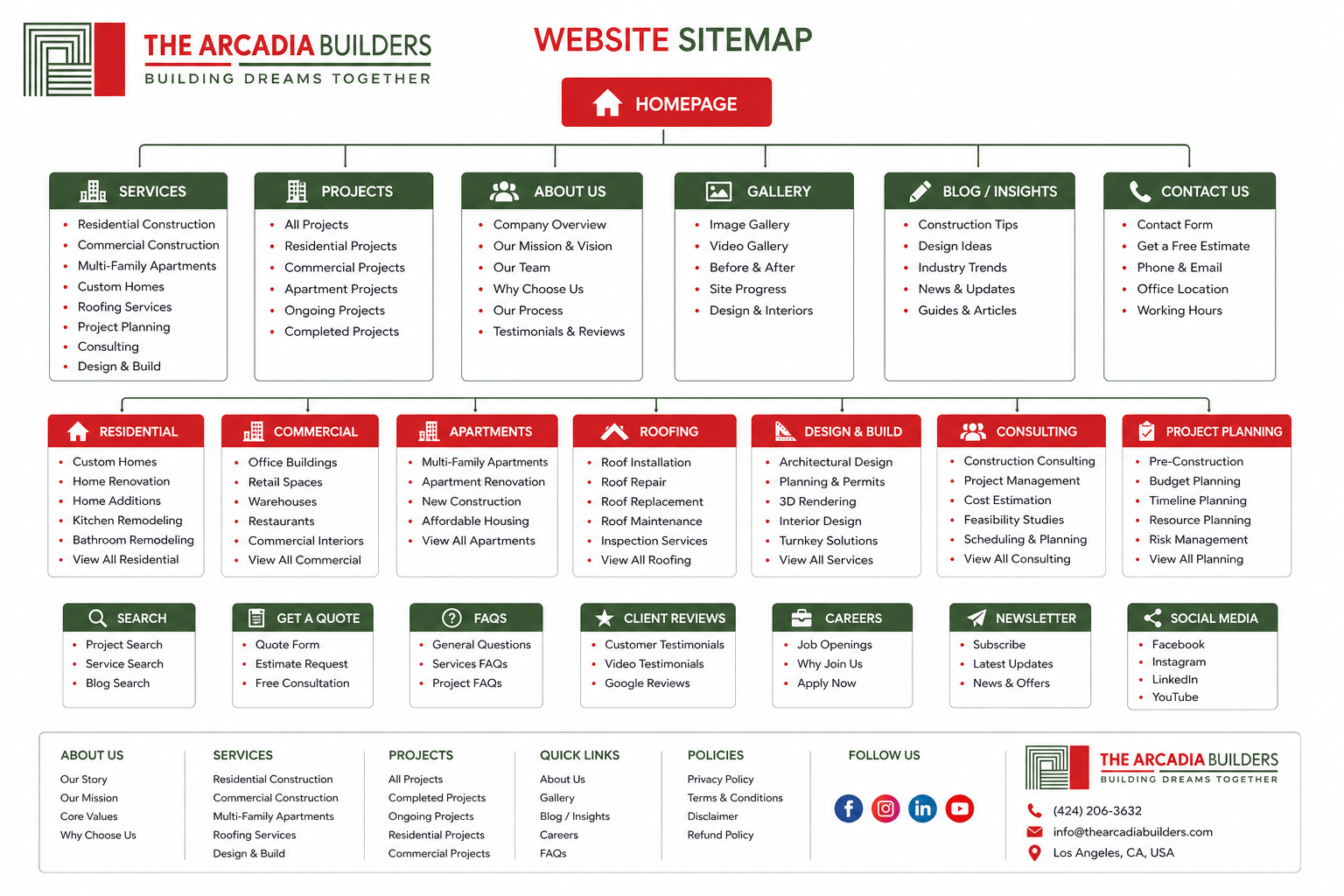
We started with low-fidelity wireframes to establish page layout, content hierarchy, and navigation flow. This allowed us to focus on usability and ensure that key information was presented clearly. Once the structure was finalized, we developed a clickable prototype that simulated real user interactions across the main pages.
Services
- Brand Identity Design
- Catalog Design
- Web Design
- Visual Branding